

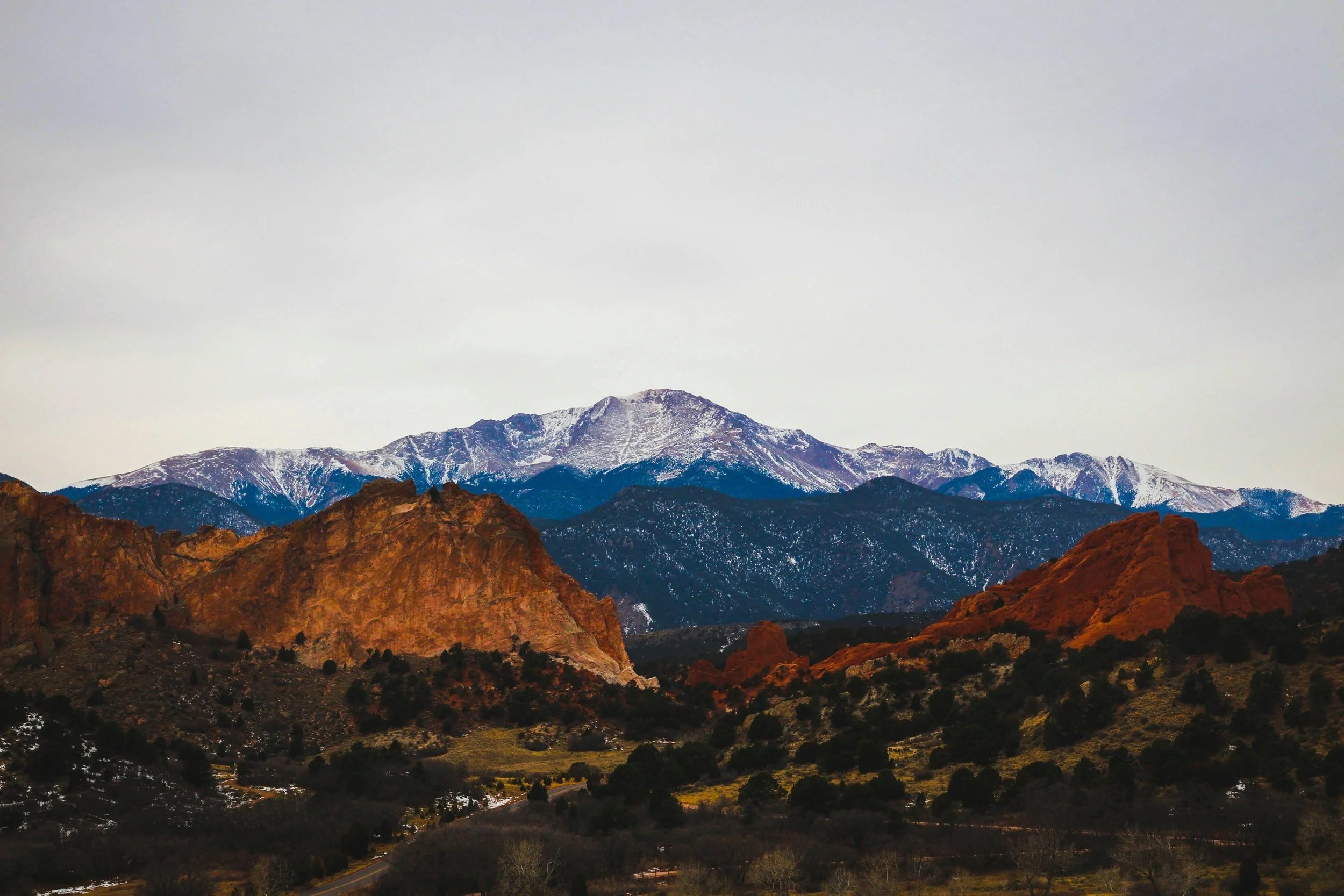
Colorado Springs
Colorado Springs has a high risk of wildfire—higher than 77% of communities in the US.

Colorado Springs is located in a semi-arid region of Colorado,
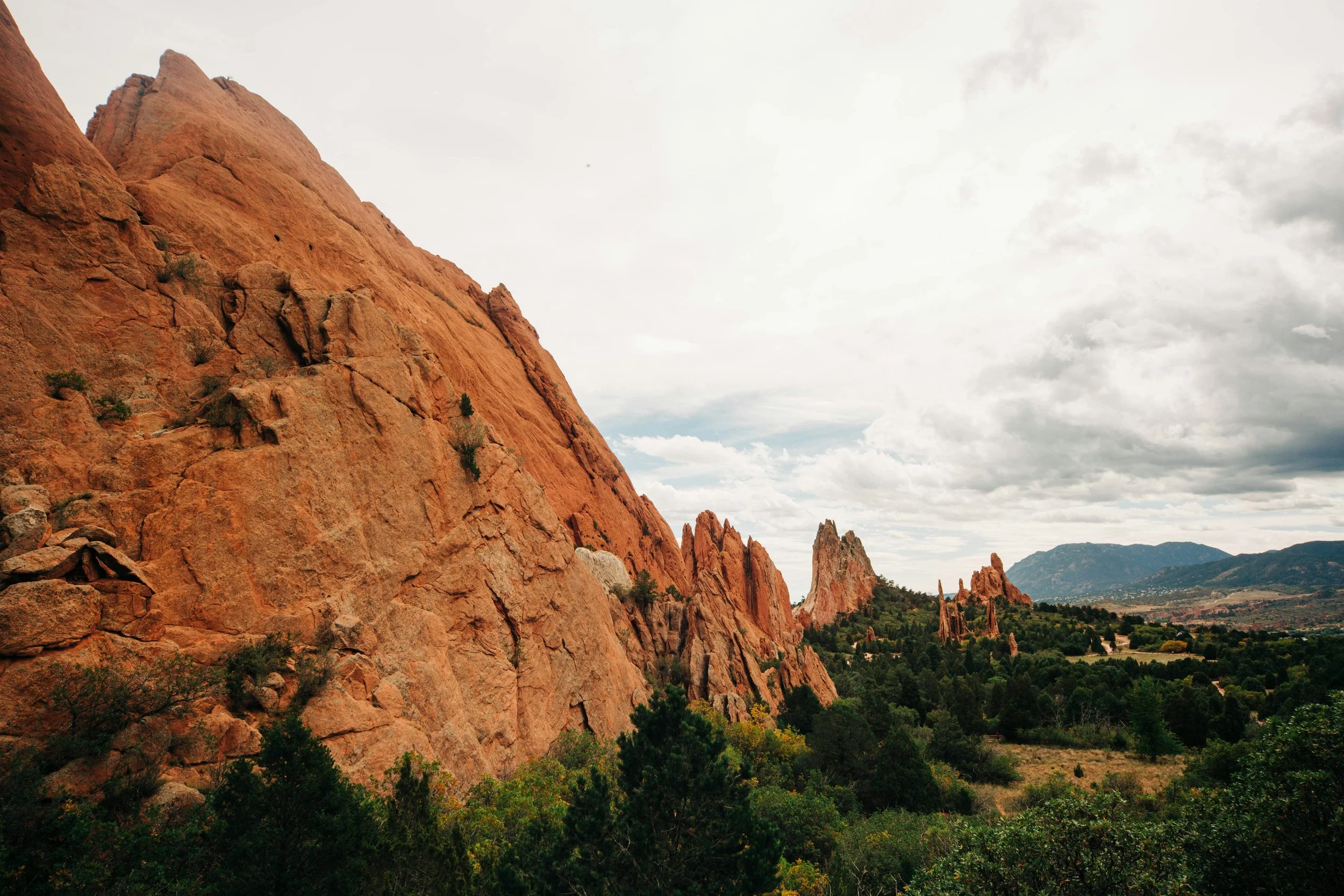
which means it experiences long periods of hot, dry weather. These conditions can lead to drought, which dries out vegetation and makes it more susceptible to fire. The Colorado Springs area includes several canyons, hills, and valleys that are covered in vegetation, such as the Pike National Forest. These areas are often difficult to access and contain during a wildfire.
Colorado Springs has a large number of homes and neighborhoods that are built in the wildland-urban interface. These areas are at high risk for wildfires because the homes provide a ready fuel source for fires. Colorado Springs has a history of wildfires, including the devastating Waldo Canyon Fire in 2012 and the Black Forest Fire in 2013. These fires burned tens of thousands of acres and destroyed hundreds of homes.
Who are the key stakeholders over Colorado Springs, Colorado’s land?
-
The City of Colorado Springs manages public lands within its city limits, including parks, open spaces, and trails. The Parks, Recreation, and Cultural Services Department is responsible for the management of these lands.
-
El Paso County manages land outside of the city limits of Colorado Springs, including parks, open spaces, and trails. The El Paso County Parks Department is responsible for the management of these lands.
-
Colorado State Parks manages several parks and recreation areas in the Colorado Springs area, including Cheyenne Mountain State Park, Mueller State Park, and Eleven Mile State Park.
-
The U.S. Forest Service manages the Arapaho and Roosevelt National Forests, which include large areas of forested land in Boulder County. The agency is responsible for wildfire response and management on these lands.
-
The Bureau of Land Management manages some public lands in the Colorado Springs area, including portions of the Pike National Forest and other federal lands.
Each entity is responsible for managing its own lands and resources, but there is often collaboration and coordination among these entities to ensure that land and resources are managed in a sustainable and effective manner.
It is important for residents and visitors to be aware of the risk and to take steps to protect themselves and their homes in case of a wildfire.
The Colorado Springs Fire Department knows that wildfire is an ongoing threat to the community. The Colorado Springs Wildfire Ready website aims to help inform the citizens of Colorado Springs to prevent, prepare, plan, and know what to do in a wildfire event.
You can also review the Colorado Springs Community Wildfire Protection Plan (CWPP) and sign up for Colorado Springs emergency notifications to stay informed and safe.